
Basement Waterproofing: Cost, Methods & Best Solutions (2025 Guide)
This guide explains how to protect lower-level spaces from water ingress, the realistic costs for 2025, which methods work best, and how to choose products or a contractor. Designed for homeowners and DIYers who want a long-term, practical plan to avoid leaks, mold, and structural damage.
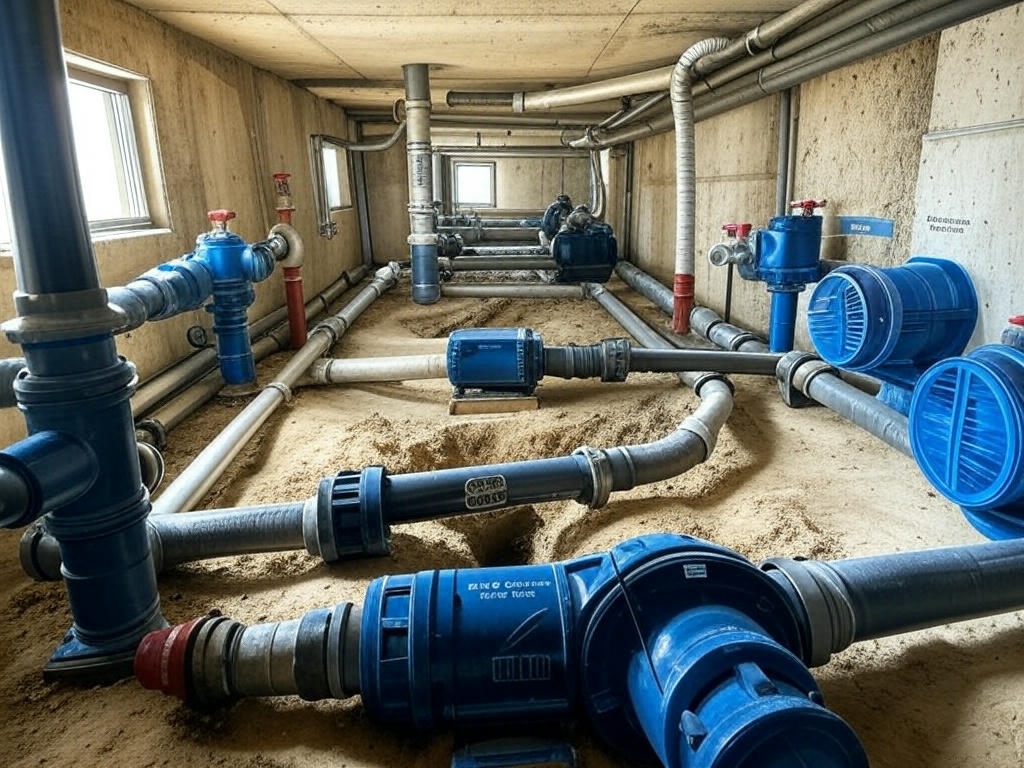
Why protecting lower-level spaces matters
Moisture intrusion into basements causes more than wet carpets — it can weaken foundations, ruin stored items, and promote mold growth that affects indoor air quality. With shifting weather patterns and heavier rainfall in many regions, installing effective protection is now a practical, preventative investment rather than a one-time repair.
Signs you need immediate action
Watch for musty smells, visible damp patches, peeling paint on walls, efflorescence (white salt stains), small puddles after rain, or new cracks in concrete. Early detection lets you use simpler fixes; delaying often forces expensive excavation and structural repairs.
Best waterproofing methods — quick overview
Interior systems
Interior solutions are the least disruptive and often cost-effective for minor leaks. These include high-quality sealants and coatings that block moisture vapor, internal drainage channels installed at the footing, and a sump pump to remove collected water. Interior systems stop water that reaches the floor or lower wall areas and are common in retrofit jobs.
Exterior systems
For recurring seepage or structural cracks, exterior excavation and sealing with membranes or rigid coatings provide long-term protection. Exterior work allows contractors to address the root cause — soil pressure and outside water flow — by installing membranes, exterior drainage, and french drains that move groundwater away from the foundation.
Injection & targeted repairs
Polyurethane or epoxy injection fills active cracks and is useful where digging out the exterior is not feasible. This is a targeted repair that pairs well with drainage improvements to prevent future pressure on repaired joints.
Estimated costs (2025)
Costs vary widely depending on site conditions, access, and the chosen method. The table below gives typical ranges so you can budget or request quotes with realistic expectations.
| Method | Typical cost (USD) |
|---|---|
| Sealants & coatings | $500 - $1,500 |
| Interior drainage + sump | $1,500 - $5,000 |
| French drain (exterior) | $5,000 - $15,000 |
| Exterior excavation & membrane | $10,000 - $25,000 |
| Injection repairs | $500 - $2,500 |
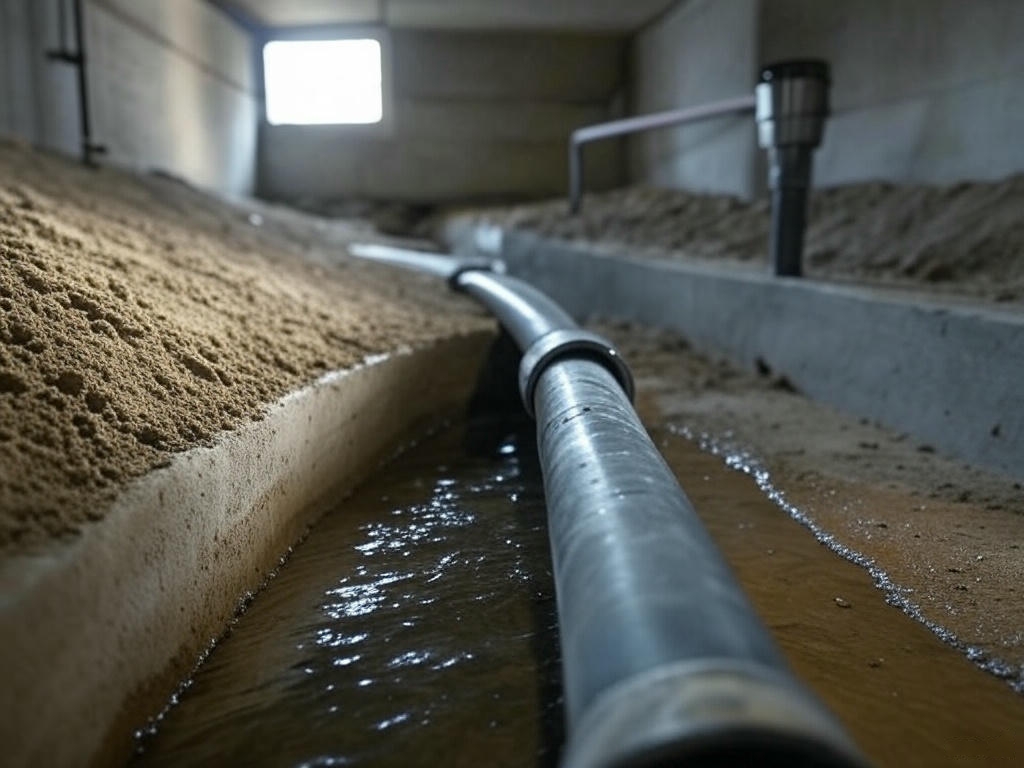
Recommended products and components
- Drylok Extreme Waterproof Paint — useful for interior moisture control.
- Wayne WSS30VN Sump Pump — reliable removal for basements that collect water.
- Basement Systems WaterGuard — interior drainage channel kit for retrofit projects.
DIY vs professional work
Simple sealing or minor surface repairs can be DIY-friendly and save money up front. However, if you have ongoing seepage, hydrostatic pressure, or foundation cracks, a professional assessment is recommended — pros can diagnose root causes and provide warranties for structural repairs.
Long-term benefits of doing it right
Proper protection increases your property's resale value, prevents recurring repair costs, and improves indoor air quality. It also reduces insurance headaches related to water damage claims and protects any mechanical equipment stored in basements.
Common mistakes to avoid
- Applying cosmetic fixes without fixing drainage.
- Using low-grade sealants that fail within a season or two.
- Ignoring grading and gutter issues around the house.
- Hiring contractors without proper reviews or written warranties.
How to choose the right contractor
Get multiple quotes, check reviews and references, ask for photos of past work, confirm the scope in writing, and ensure there is a warranty for the performed work. A clear inspection report with a suggested method (interior vs exterior) shows experience and professionalism.
Frequently Asked Questions (FAQ)
1. How much does basement waterproofing usually cost?
Depending on the method, costs typically range from a few hundred dollars for minor sealant jobs to $10,000–$25,000 for exterior excavation and membrane installation. Always get a written estimate that breaks labor and materials out separately.
2. Can I stop small leaks with a DIY kit?
Yes — small hairline leaks and damp spots can often be managed with high-quality sealants and improved internal drainage. For recurring water or structural cracks, call a professional to diagnose the source.
3. How long will a professional solution last?
When done correctly, exterior systems and professional interior drainage can last 20 years or more. Routine maintenance on gutters and grading will extend any solution’s lifespan.
4. Will waterproofing raise my home’s value?
Yes — a dry, usable lower level is attractive to buyers and reduces perceived risk. Contractors who provide transferable warranties add further buyer confidence.
Conclusion
Taking early action to protect below-grade spaces prevents health issues, structural costs, and ongoing worry. Evaluate the signs, choose a method that matches the cause, and prioritize long-term solutions that include good drainage, correct materials, and a trusted installer.